Kodansha Abruptly Cancels 'Wishing You Happiness' Manga Following Plagiarism Confession
Artist Matsurika admits to tracing, forcing Monthly Shonen Magazine to immediately halt serialization and scrub the series from all digital platforms.

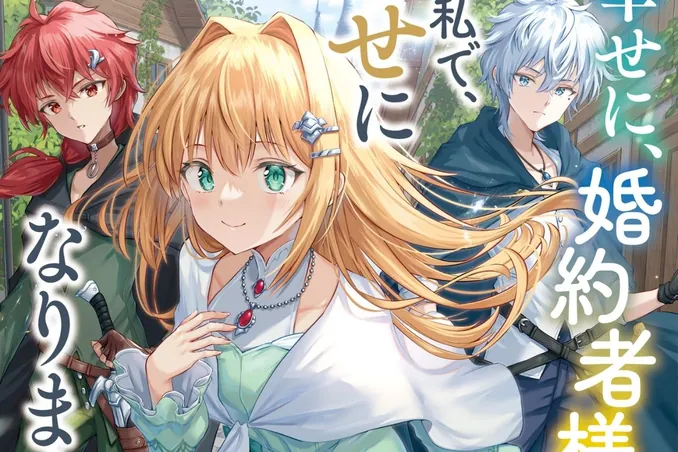
On March 31, Kodansha’s Monthly Shonen Magazine abruptly canceled the manga adaptation of Wishing You Happiness, My Fiancé. I’ll Be Happy in My Own Way. The termination occurred after manga artist Matsurika admitted to heavily imitating the artwork of other creators, a practice widely condemned as tracing or plagiarism. As a direct result, Kodansha has immediately suspended the series and scrubbed the artist’s current and past works from all digital distribution platforms.
This scandal cuts the manga’s life incredibly short.
Recommended for you
The series only just launched its first chapter on the Comic DAYS website on February 10, with its latest chapter published on March 3.
In less than a month, the project went from a highly anticipated debut to a cautionary tale about copyright infringement in the Japanese publishing industry.
Here is a complete breakdown of why the manga was canceled, the impact on the original light novel creators, and how the manga industry handles art theft.
The Core Controversy (Why Was the Manga Canceled?)
The editorial team at Monthly Shonen Magazine released a formal statement titled “To Our Readers,” detailing the immediate cancellation of the fantasy romance series.
According to the publisher, multiple readers flagged “significant similarities” between Matsurika’s panels and pre-existing artworks.
When the editorial department confronted the artist, Matsurika confessed to the allegations.
The official statement noted that the artist engaged in “imitation that exceeded the scope of acceptable reference material.”
In the manga industry, this specific phrasing is a polite, professional way of confirming that the artist was caught tracing or heavily copying another professional’s line art.
Immediate Suspension Across All Platforms
Because Japanese copyright law and publishing standards are incredibly strict, Kodansha enacted a zero-tolerance protocol.
The publisher immediately took the following actions:
- Terminated the serialization of Wishing You Happiness, My Fiancé permanently.
- Halted all digital distribution of the existing chapters on manga apps, including Palcy, Getsumaga Kichi, and Comic DAYS.
- Removed the artist’s past works, pulling Matsurika’s previous one-shot manga, The Bridge for Those Who Long to Die (Shinitagari no Hashi no Ue), from the Comic DAYS platform due to lingering suspicions of similar plagiarism.
The publisher concluded their statement by apologizing to fans and stakeholders for the “tremendous inconvenience,” vowing to strengthen their internal checking systems to prevent future art theft.
The Collateral Damage (Original Creators Left in Limbo)
When a manga adaptation is canceled due to the illustrator’s misconduct, the heaviest burden often falls on the original creators.
Wishing You Happiness, My Fiancé is not an original comic; it is an adaptation of a successful light novel.
The original story was penned by author Gorogoro Mikan, who launched the web novel on the popular Japanese site Shōsetsuka ni Narō (Let’s Become a Novelist) in early 2024.
Due to its popularity, Kodansha officially published the light novel in December, featuring original character designs and illustrations by the artist HIROKAZU.
Why this hurts the original creators:
- Lost Revenue: Manga adaptations act as massive marketing engines for light novels. A successful manga drives readers back to the original books, boosting royalties for the writer.
- Brand Damage: Even though Gorogoro Mikan and HIROKAZU had nothing to do with the manga artist’s plagiarism, their title is now temporarily associated with a major industry scandal.
- Wasted Time: Securing a manga adaptation takes months of contract negotiations, character design approvals, and storyboarding. All of that preliminary work has now been thrown out.
Table: The Production Team of Wishing You Happiness, My Fiancé
| Role in the Franchise | Creator Name | Involvement in the Plagiarism Scandal |
|---|---|---|
| Original Story (Light Novel) | Gorogoro Mikan | None (Work continues unaffected) |
| Original Character Designs | HIROKAZU | None (Work continues unaffected) |
| Manga Adaptation Artist | Matsurika | Guilty (Admitted to tracing; terminated) |
| Publisher / Editorial | Kodansha | Investigator (Discovered theft, canceled series) |
Tracing vs. Referencing in the Manga Industry
To understand how a professional artist ends up plagiarizing, it helps to understand the intense pressure of the Japanese manga pipeline.
But there is a distinct line between healthy referencing and career-ending plagiarism.
What is Acceptable Referencing?
Every professional artist uses references.
Drawing complex anatomy, dynamic action poses, or detailed historical architecture entirely from imagination is nearly impossible.
- Taking Photographs: Many manga creators take photos of themselves or their assistants in specific poses.
- Using 3D Models: Digital software like Clip Studio Paint features built-in 3D mannequins. Artists can pose these models on their screen and draw over them. Because the artist owns the license to the software, this is perfectly legal and encouraged.
- Purchasing Asset Packs: Artists frequently buy licensed background assets, screen tones, and prop designs to speed up their workflow.
What is Plagiarism (Tracing)?
Plagiarism, often referred to as pakuri (rip-off) or toresu (tracing) in Japanese internet slang, occurs when an artist takes a copyrighted image drawn by someone else and directly copies the line art.
In the digital age, this usually happens when an artist imports a competitor’s manga panel into their software, lowers the opacity, and literally draws over the original lines.
Even if the plagiarist changes the character’s hair or clothing, the underlying anatomical framework, perspective, and composition belong to the original artist.
Why Do Manga Artists Trace?
While never excusable, plagiarism usually stems from a combination of tight deadlines and a lack of foundational skill.
- The Schedule: Manga artists face grueling deadlines, often expected to churn out 20 to 40 pages of high-quality art a month.
- Inexperience: When a newer artist like Matsurika is tasked with drawing complex angles or poses they haven’t mastered, panic sets in. Instead of missing a deadline, they make the fatal mistake of lifting a pose from a more experienced creator.
Table: Manga Industry Standards (Referencing vs. Plagiarism)
| Artistic Method | Description of the Practice | Industry Verdict |
|---|---|---|
| Using 3D Models | Posing licensed digital mannequins (e.g., in Clip Studio Paint) to trace baseline anatomy and perspective. | ✅ Legal & Encouraged |
| Photo Referencing | Taking original photographs of oneself, assistants, or public locations to use as a drawing base. | ✅ Legal & Encouraged |
| Style Study | Looking at another professional’s work to learn how they render shadows, hair, or screentones, but drawing entirely from scratch. | ✅ Acceptable |
| Direct Tracing (Toresu) | Overlaying another artist’s copyrighted drawing and directly copying their exact line art, anatomy, or framework. | ❌ Plagiarism (Fireable) |
| Unlicensed Photo Bashing | Taking copyrighted photographs from the internet (e.g., a stock photo you didn’t buy) and tracing the background. | ❌ Plagiarism (Fireable) |
How Publishers Catch Manga Plagiarism
Kodansha promised to “strengthen its checking system,” but how exactly does a massive publisher police millions of manga panels for stolen art?
1. The Editorial Review
Editors are the first line of defense. A seasoned editor reads dozens of manga magazines a week.
If a submitted manuscript features a pose, composition, or character expression that looks eerily familiar to a famous panel from Naruto, Bleach, or a contemporary romance hit, the editor will flag it.
Furthermore, if an artist’s skill level wildly fluctuates from panel to panel, drawing a stunningly complex pose in one frame and a stiff, amateurish pose in the next, it is a massive red flag.
2. The Fan Detectives (The True Enforcers)
In reality, the most rigorous “checking system” is the readership. Japanese manga fans are notoriously eagle-eyed.
When a suspicious panel is published, readers often take to social media platforms like X (formerly Twitter) or anonymous bulletin boards like 5channel.
Fans will overlay the suspected plagiarized panel on top of older, famous manga panels, lowering the transparency to see if the lines match perfectly.
If the lines align exactly, a phenomenon known as a “trace verification GIF”, the evidence goes viral.
Once the public backlash reaches a boiling point, the publisher is forced to investigate, usually resulting in the artist’s immediate confession and termination, exactly as seen with Matsurika.
What Happens Next for the Franchise?
The immediate future looks grim for the manga adaptation of Wishing You Happiness, My Fiancé, but it is not necessarily the end of the road.
The Artist’s Fate
For Matsurika, this is likely a career-ending event under this pen name.
The Japanese publishing industry operates on strict trust and honor systems.
Once an artist is caught and publicly shamed for tracing, they are effectively blacklisted by major publishers like Kodansha, Shueisha, and Shogakukan.
Rebuilding a reputation after a formal plagiarism apology is incredibly rare.
The Manga’s Future
For the author, Gorogoro Mikan, there is a silver lining.
Because the original light novel is completely innocent of the plagiarism, the publisher still has a vested interest in the property.
Historically when a manga adaptation is canceled due to artist misconduct, the publisher places the comic on a long hiatus.
They will spend the next 6 to 12 months quietly searching for a brand new illustrator.
Once a new artist is hired, the manga is usually “rebooted” from chapter one, featuring completely new artwork and paneling.
Fans of the light novel will simply have to be patient while Kodansha resets the production pipeline.
Frequently Asked Questions (FAQ)
What manga did Matsurika trace?
Publishers rarely name the specific works that were plagiarized in their official apologies. This is done to prevent further legal complications and to avoid directing massive internet traffic to the stolen comparisons. However, the similarities were significant enough for the artist to immediately confess.
Is the original ‘Wishing You Happiness, My Fiancé’ light novel canceled?
No. The light novel written by Gorogoro Mikan and illustrated by HIROKAZU is completely unaffected by this scandal. The original books will continue to be published and sold.
Can I still read the canceled manga chapters anywhere?
Officially, no. Kodansha has entirely scrubbed the manga from all of its digital platforms, including Comic DAYS and Palcy. The publisher actively removes the content to comply with copyright laws and respect the artists whose work was imitated.
Will the manga ever come back?
It is highly likely that Kodansha will reboot the manga adaptation in the future with a completely different artist. However, this process usually takes several months to a year as they must negotiate new contracts and allow the new artist time to storyboard the chapters from scratch.
Got a tip for us? Email: [email protected]. Did you find an error in this article? Email: [email protected].
Beyond the Anime: How Gachiakuta is Delivering a Premium Co-Op Action RPG